
Positive: Professionalism , Quality , Responsiveness Friendly and knowledgeable staff, love that they fight for the little guy!
Cara feiler
3 years ago

Evista Side Effects Linked To Stroke. On May 18, 2006, Health Canada and Lilly Canada issued a new safety warning for the drug Evista concerning an increased risk of death due to stroke in postmenopausal women who are at increased risk of cardiovascular disease. This risk was discovered during the RUTH clinical trial which […]
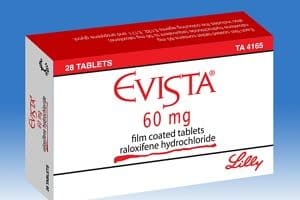
Evista Side Effects Linked To Stroke. On May 18, 2006, Health Canada and Lilly Canada issued a new safety warning for the drug Evista concerning an increased risk of death due to stroke in postmenopausal women who are at increased risk of cardiovascular disease. This risk was discovered during the RUTH clinical trial which examined the use for Evista for cardiovascular disease. Evista was approved by the FDA on November 24, 1998 for the treatment and prevention of osteoporosis in postmenopausal women.
The RUTH (Raloxifene Use for The Heart) trial was an extensive placebo study that examined whether a 60 mg daily dose of Evista (Generic: raloxifene hydrochloride) would cut the danger of coronary events and the risk of invasive breast cancer in postmenopausal women who already had heart disease or were at an elevated risk for a coronary episode. The study was made up of more than 10,000 women (average age: 67 years) from 26 countries who were trailed for up to seven years. Every woman enrolled in RUTH had known heart disease or were at high risk for a coronary event. The trial found an increase in death as a result of stroke for Evista compared to the placebo. The rate of stroke mortality was 1.5 per 1,000 women per year for placebo versus 2.2 per 1,000 women per year for Evista.
The personal injury attorneys at Parker Waichman LLP offer free, no-obligation case evaluations. For more information, fill out our online contact form or call 1-800-YOURLAWYER (1-800-968-7529).