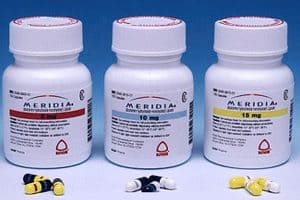
Meridia
Quick Facts
Sibutramine hci monohydrate
Date Approved
November 8, 1996
Manufacturer
Knoll Pharmaceutical
Status
On the market
Approved Uses
Obesity
Serious Side Effects
Rapid heart rate
High blood pressure
Heart disease
Stroke
Seizure
Related Topics
Stroke
Defective Drugs
Diseases
CLICK HERE TO DOWNLOAD OUR Meridia INFORMATION PACKAGE
Meridia Side Effects Could Be Linked To Heart Attack Lawsuits
Meridia | Lawsuits, Lawyers | Side Effects: Heart Attack, Stroke, Chest Pain, Heart Palpitations, Abnormal Heart Rate, Dizziness
If you took Meridia (sibutramine) and suffered a heart attack or stroke, this diet drug could be to blame. In October 2010, Abbott Laboratories announced it was withdrawing Meridia from the US market after clinical trial data indicated it was linked to an increased risk of heart attacks and stroke. The US withdrawal came years after evidence of Meridia's dangers first became apparent.
Lawyers at our firm who specialize in defective drug litigation are offering free lawsuit evaluations to victims of Meridia heart attacks and strokes. If you or a loved one suffered heart problems while taking Meridia, you may be entitled to compensation for medical bills, lost wages, pain and suffering and other damages. We urge you to contact one of our Meridia side effects lawyers today to protect your legal rights.
Merida Side Effects
Meridia was approved by the US Food & Drug Administration (FDA) in 1997 for the management of obesity, including weight loss and maintenance of weight loss, in conjunction with a reduced calorie diet. At the time, clinical data indicated that more people taking Meridia lost at least 5 percent of their body weight than people on placebo who relied on diet and exercise alone. However, when Meridia was approved by the FDA, it did so even though the majority of the agency's outside advisers had opposed it because of its potential for heart problems.
Within a year of its approval nearly 2 million prescriptions were written for Merida. In 2009, global sales of the Meridia diet drug approached $200 million.
Shortly after its approval however, evidence of Meridia's dangers was becoming apparent. On March 8, 2002 the Italian Health Ministry suspended the sales of Meridia (where it was sold as Reductil) after receiving 50 reports of adverse reactions to the diet drug, including 2 deaths. That same year, the US consumer advocacy group Public Citizen petitioned the FDA to recall Meridia, calling it unacceptably dangerous. The petition cited 397 serious adverse reactions reported to the FDA, including 152 hospitalizations, and 29 patient deaths.
Meridia Withdrawal
On October 8, 2010, Abbott Laboratories announced it was pulling Meridia from the US market, at the request of the FDA. The FDA's request followed its review of data from the Sibutramine Cardiovascular Outcomes Trial (SCOUT). SCOUT was a five-year clinical study initiated as part of a postmarket requirement to look at cardiovascular safety of Meridia. The trial demonstrated a 16 percent increase in the risk of serious heart events, including non-fatal heart attack, non-fatal stroke, the need to be resuscitated once the heart stopped, and death, in a group of patients given Meridia compared to another given placebo.
The SCOUT trial also showed only a small difference in weight loss between the placebo group and the group that received Meridia. The FDA concluded that the risk for an adverse cardiovascular event from Meridia in the population studied outweighed any benefit from the modest weight loss observed with the drug.
Patients taking Meridia were advised to:
- Stop taking Meridia and talk to a healthcare professional about alternative weight loss and weight loss management programs.
- Talk to a healthcare professional if they have any concerns about Meridia.
- Contact a healthcare professional right away if they experience pain in the chest, heart palpitations, abnormal heart rate or rhythm, or other symptoms including dizziness and lightheadedness.
Meridia Market Withdrawal
In October 2010, Abbott Laboratories announced it was withdrawing Meridia from the US market after clinical trial data indicated it was linked to an increased risk of heart attacks and strokes. The US Food & Drug Administration (FDA) requested the Meridia withdrawal after reviewing data from the Sibutramine Cardiovascular Outcomes Trial (SCOUT).
SCOUT was initiated as part of a postmarket requirement to look at cardiovascular safety of Meridia. The trial demonstrated a 16 percent increase in the risk of serious heart events, including non-fatal heart attack, non-fatal stroke, the need to be resuscitated once the heart stopped, and death, in a group of patients given Meridia compared to another given placebo. There was a small difference in weight loss between the placebo group and the group that received Meridia. The FDA concluded that the risk for an adverse cardiovascular event from Meridia in the population studied outweighed any benefit from the modest weight loss observed with the drug.
Patients have been advised to stop taking Meridia and talk to their healthcare professional about alternative weight loss and weight loss management programs. People taking Meridia should contact a healthcare professional right away if they experience pain in the chest, heart palpitations, abnormal heart rate or rhythm, or other symptoms including dizziness and lightheadedness.
Injured by Meridia?
Meridia (generic: sibutramine hci monohydrate) has been linked to side effects such as rapid heart rate, increased blood pressure, heart disease, stroke, seizure and mental impairments. Meridia is a drug that is used to treat obesity by controlling appetite.
Italy has suspended the sale of weight-loss products containing sibutramine, marketed as Meridia in the U.S. by Abbott Laboratories. Italy's Health Ministry said on March 7, 2002 that it was immediately withdrawing all sibutramine products from the market due to 50 reports of health-related problems. Although Italy was the first country to take the drugs off the market, other nations' regulatory bodies have expressed concern about sibutramine. Britain's Drug and Therapeutics Bulletin, published by the Consumers' Association, warned that the weight-loss drug had limited benefits and unwanted side effects.
In addition to the risk of cardiovasular problems, seizures, and mental impairments, it is believed that two women have died as a result of complications from the drug. Abbott Laboratories estimates that 8.6 million people have used sibutramine-based drugs since they were approved in 1997.
Legal Help For Victims Affected By Meridia
If you or a loved one took Meridia and suffered side effects, please fill out the form at the right for a free case evaluation by a qualified drug side effects attorney or call us at 1-800-LAW-INFO (1-800-529-4636).