



Founding Partner
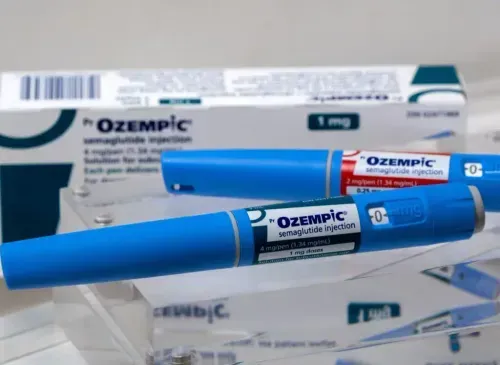
Defective drugs are medications that cause physical or psychological injury. Often, these injuries relate to recalled drugs, drugs that were not adequately tested for all of their potential side effects, manufacturing errors, dosage mistakes, inadequate warnings, or mislabeling. If you have been injured as a result of a defect in a drug or a labeling error, we encourage you to contact a defective drug attorney from our firm for a free consultation.
At Parker Waichman LLP, we’re renowned for our success with defective drug cases. Our attorneys are well-versed in this type of litigation and have a long track record of getting results on behalf of our clients. Call today and let a skilled bad drug attorney with our firm help you get compensation.

Drug or product liability refers to a supplier’s or physician’s responsibility for defects in a drug. Drug manufacturers can find themselves involved in a defective medication lawsuit if they’ve produced drugs that have caused injury. There are a lot of factors and nuances involved with liability claims like these, which is why it’s best to consult with a well-versed defective drug lawyer.
Dangerous drugs typically cause the most harm within the first 12 months of their release. This means that many of these products were released without a full understanding of their risks. These drugs may have been marketed by drug companies despite evidence of serious or even deadly side effects. Legally, drug manufacturers are strictly liable for injuries if the drug they sell is defective or unreasonably dangerous.
The defective drug attorneys at Parker Waichman LLP know that in each of these situations, the manufacturer is liable and may be sued for damages, regardless of whether the manufacturer was aware of the danger and no matter how carefully the defective drug was produced or labeled.
Parker Waichman LLP has offices nationwide, making it easy to access top-tier legal help no matter where you are. Our local teams are familiar with regional laws and courts, giving you a strategic advantage.
Ready to discuss your product liability case? Contact our nearest office today for a free consultation. Call now (516) 466-6500 or schedule an appointment online for a free consultation.
Prior to submitting a drug for approval by the FDA, drug manufacturers must ensure that proper clinical testing is conducted. Drug makers must also include any potential adverse reactions and warnings on the label so that patients, their caretakers, and their physicians are aware of all of the risks tied to the medication.
Pharmacists are responsible for dispensing the correct, precise drug dosage. Dosing errors can lead to serious harm.
Physicians must ensure that they prescribe the most appropriate medication, taking into account the risks and benefits of a drug, especially given that some drugs can have significant, serious, or long-term side effects.
If any of these three have been negligent in their duties and caused you injury, a drug defect lawyer may be able to help you get compensation.
Parker Waichman LLP
 Amputation Injury
 Auto Accidents
 Aviation Accidents
 Bicycle Accidents
 Birth Injury
 Boat Accidents
 Burn Injury
Bus Accidents
Burn Injury
Bus Accidents Catastrophic Injury Lawyer
 Clergy Sexual Abuse
 Construction Accidents
 DUI Injury
 Distracted Driving Accidents
 Dog Bite Injury
 E-bike Accidents
 General Negligence
 Hit-and-Run Accidents
 Lyft Accidents
 Medical Malpractice
 Motorcycle Accidents
 Nursing Home Abuse
 Pain and Suffering
 Pedestrian Accidents
 Personal Injury
 Premises Liability
 Rideshare Accidents
 Class Action Lawsuits
 Baby Injury Lawsuits
 Toxic Torts
 Defective Products
 Defective Medical Devices
 Defective Drugs
Sexual Abuse
Defective Drugs
Sexual Abuse  9-11 Victim Compensation
Traumatic Brain Injuries
9-11 Victim Compensation
Traumatic Brain Injuries Labor Law Injuries
 Scooter Accidents
Trip and Fall Injuries
Scooter Accidents
Trip and Fall Injuries Spinal Cord Injuries
Workers' Compensation
Spinal Cord Injuries
Workers' Compensation Truck Accidents
 Wrongful Death
Complex Litigation
Wrongful Death
Complex Litigation Intentional Acts
Why Trust UsWith Your Case?

We Take Care of Everything

No Recovery = No Fees

Decades of Experience

Recovered Billions of Dollars
Respected by Our Peers
Amputation Injury
Auto Accidents
Aviation Accidents
Bicycle Accidents
Birth Injury
Boat Accidents
Burn Injury
Bus Accidents
Catastrophic Injury Lawyer
Clergy Sexual Abuse
Construction Accidents
DUI Injury
Distracted Driving Accidents
Dog Bite Injury
E-bike Accidents
General Negligence
Hit-and-Run Accidents
Lyft Accidents
Medical Malpractice
Motorcycle Accidents
Nursing Home Abuse
Pain and Suffering
Pedestrian Accidents
Personal Injury
Premises Liability
Rideshare Accidents
Class Action Lawsuits
Baby Injury Lawsuits
Toxic Torts
Defective Products
Defective Medical Devices
Defective Drugs
Sexual Abuse
9-11 Victim Compensation
Traumatic Brain Injuries
Labor Law Injuries
Scooter Accidents
Trip and Fall Injuries
Spinal Cord Injuries
Workers' Compensation
Truck Accidents
Wrongful Death
Complex Litigation
Intentional ActsIf you or a loved one has been injured in an accident or have been injured by another party in some other way, we are here to stand up for your rights. Our personal injury attorneys have been representing injury victims and their families in Long Island and throughout the nation since the early 1980s.




4.8 from 549 Reviews
Our law firm is ready to represent you in your injury case. We’ve helped many New York residents as well as those needing help nationwide. Contact our team for a free case consultation today.
I had a great experience with them , everyone was very helpful and sweet.
Michelle Murphy
4 months ago

Zarahi was very professional and very Quick and very knowledgeable i realy appreciated her patience and perseverance she Deserves 100 stars 🌟 but since i can only send 5 i Guess i will just have to send that truly yours Rashine Downs
Kush Three
6 months ago
VERY NICE WORK PLACE THEY HAVE BEEN GOOD TO MY MOM
Whitney Brinson
5 years ago
They treated me with tender love and care
Terrell Weaver
2 months ago
Wonderful people. They made the whole process if dealing with a gov’t agency so easy. Special compliments to Gina Viti
Michael Ross
2 months ago
I’m a 9/11 first responder, and I can honestly say that Parker Waichman made me feel like they had my best interest in my VCF case. Ms Candalino & Ms Viti are top notch in my book. I was constantly informed on the status of my case. I would definitely recommend Parker Waichman LLP to family and friends.
D D
6 years ago
We have the experience and the skilled litigators to win your case. Contact us and speak with a real attorney who can help you.
We handle mass torts cases nationwide. Please contact our office to learn more.